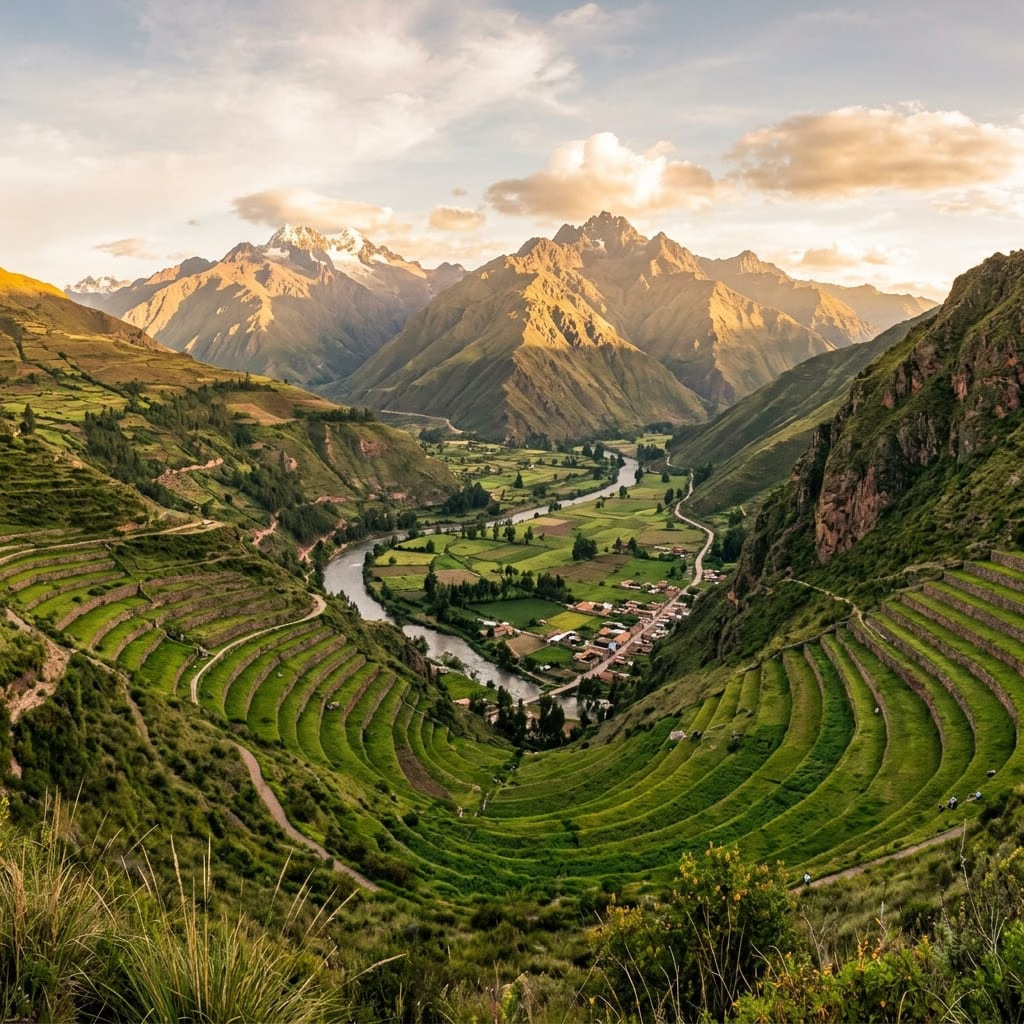
History & Background
The Sacred Valley was the heartland of the Inca Empire due to its fertile soil and pleasant climate. It served as a center for agricultural production and strategic defense.
What to Expect
The Sacred Valley is a lush corridor of the Urubamba River linking Cusco to Machu Picchu, dotted with living Inca towns — Pisac with its hilltop citadel and Sunday market, Ollantaytambo with its fortress and cobbled streets, Chinchero with its colonial church and weaving traditions. A full-day tour takes you to 3–4 towns with lunch in a valley restaurant, and it is the ideal first day trip after arriving in Cusco to acclimatize below 3,000 meters.
How to Arrive
Buses and private tours depart daily from central Cusco to Pisac, Ollantaytambo, and Chinchero.
Practical Travel Tips
- Buy the Boleto Turistico del Cusco to access multiple archaeological sites.
- Visit the Sunday market in Pisac for authentic handicrafts.
- Stay well hydrated.
Frequently Asked Questions
How long should I spend in the Sacred Valley?
A full day covers the highlights: Pisac ruins and market, lunch in Urubamba, and Ollantaytambo. With more time, add Chinchero and Moray-Maras.
Is the Sacred Valley included in the Boleto Turistico?
The main sites (Pisac, Ollantaytambo, Chinchero) are included in the Boleto Turistico's Sacred Valley circuit; Maras salt mines and Moray need a separate ticket.
Is the Sacred Valley good for altitude acclimatization?
Yes — it sits lower (2,800–3,000 m) than Cusco (3,400 m), making it a gentler first excursion before attempting higher treks.
Continue Exploring Cusco
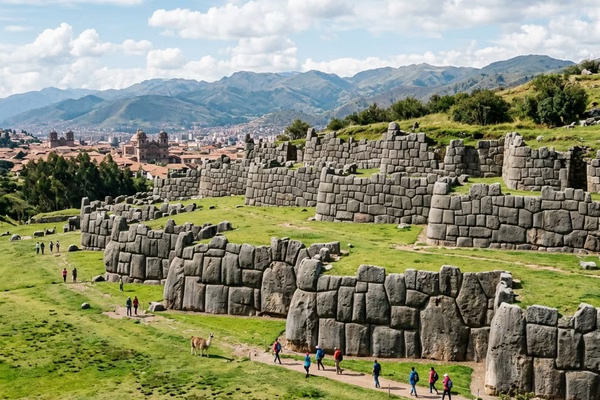
Sacsayhuaman
An immense Inca fortress featuring megalithic stones fitted together with extraordinary precision above Cusco city.
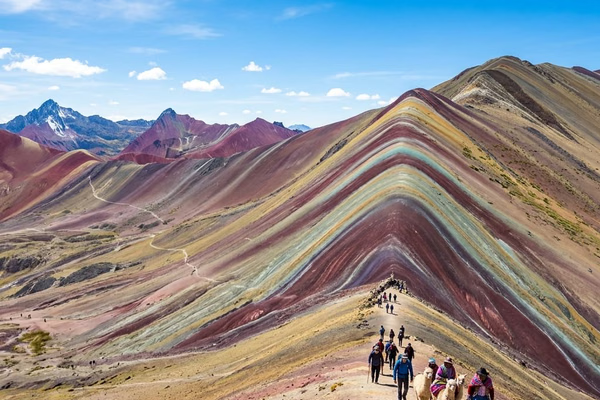
Rainbow Mountain (Vinicunca)
A dramatic mountain displaying natural stripes of turquoise, gold, and magenta at 5,200 meters altitude.
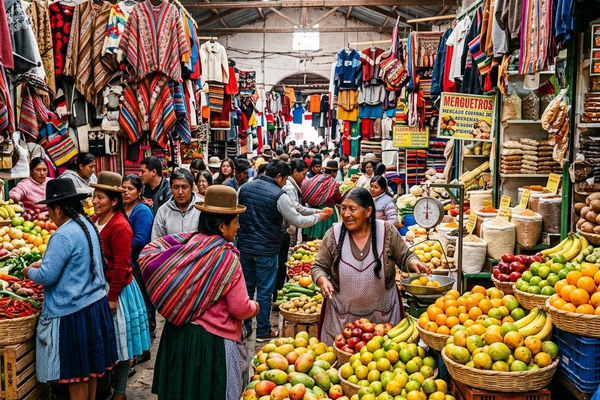
San Pedro Central Market
Cusco's most vibrant market, located steps from our hotel, overflowing with fresh juices, local foods, and handicrafts.